📍 Normandy, France

Normandy Beach: Walk the Shores of History

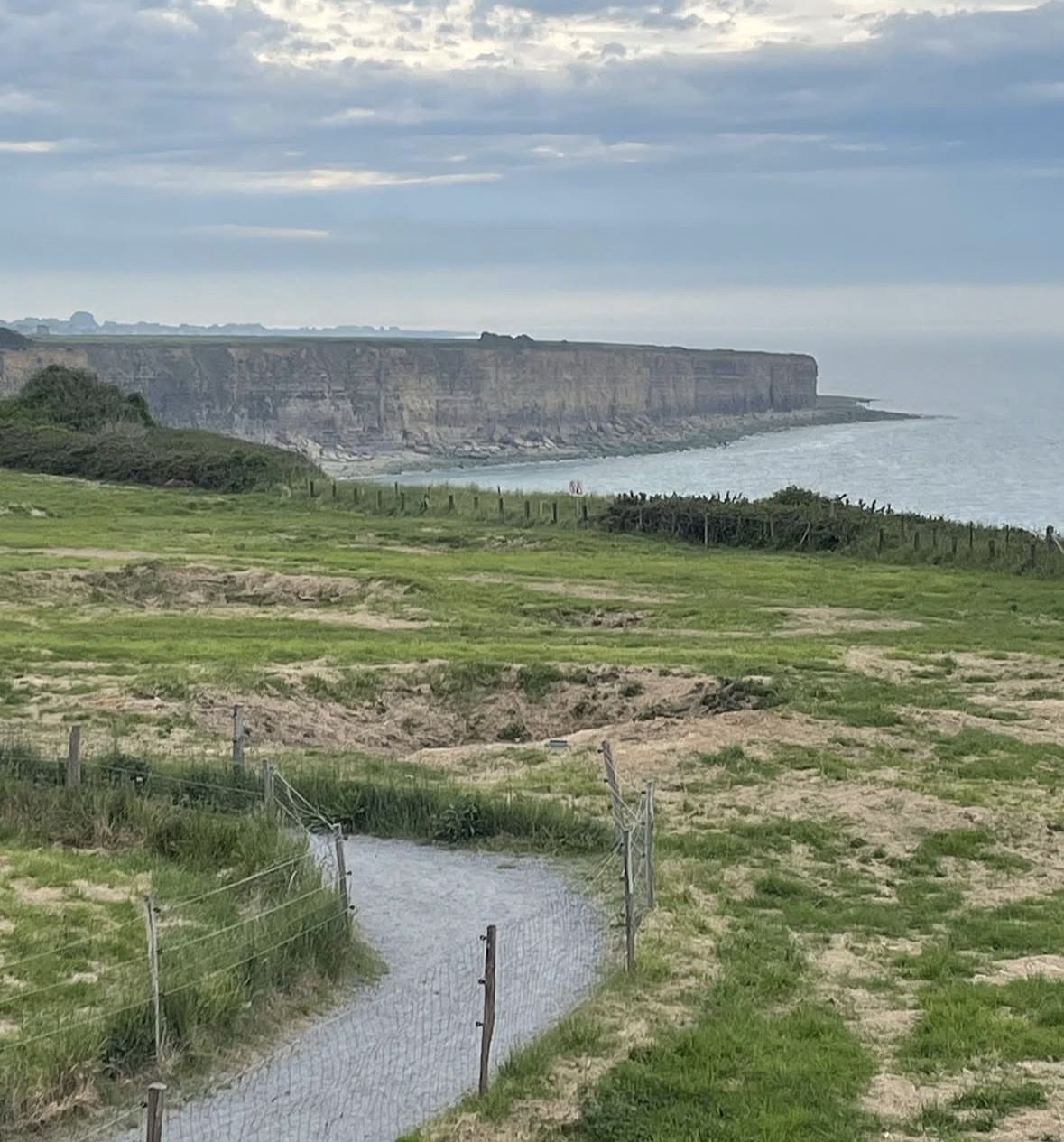
Few places on earth carry the emotional weight of the D-Day landing sites in northern France. From the solemn crosses of the American Cemetery to the craters of Pointe du Hoc, every step here echoes with the courage of June 6, 1944.

A Full Day Among D-Day's Most Sacred Sites

The Normandy D-Day Sites & Cemetery Day Trip from Paris with Lunch is the definitive way to experience the events of June 6, 1944, without the stress of planning a self-guided journey. Departing Paris in the morning, your expert guide brings the history of Operation Overlord to life as you travel through the Norman countryside. You'll visit Utah Beach, Pointe du Hoc's dramatic clifftop bunkers, the haunting sands of Omaha Beach, and the serene American Cemetery at Colleville-sur-Mer — all within a single, well-paced day. A Norman-style lunch in a charming port town is included, giving you a moment to absorb everything before the afternoon's deeply moving sites.

  • Stand on Utah Beach where the first American troops stormed ashore on D-Day
  • Explore Pointe du Hoc's preserved craters and bunkers overlooking the English Channel
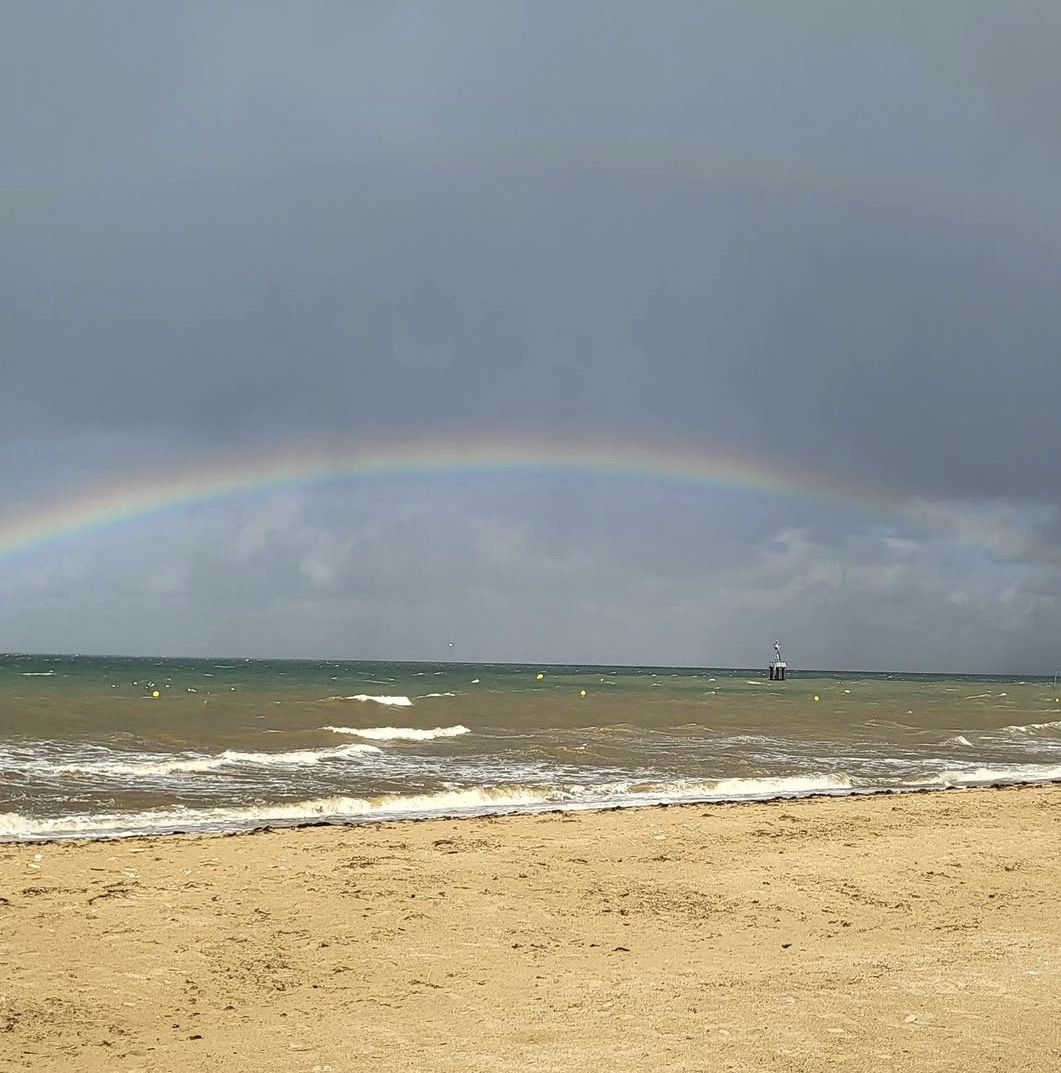
  • Walk Omaha Beach and reflect on one of World War II's most pivotal battles
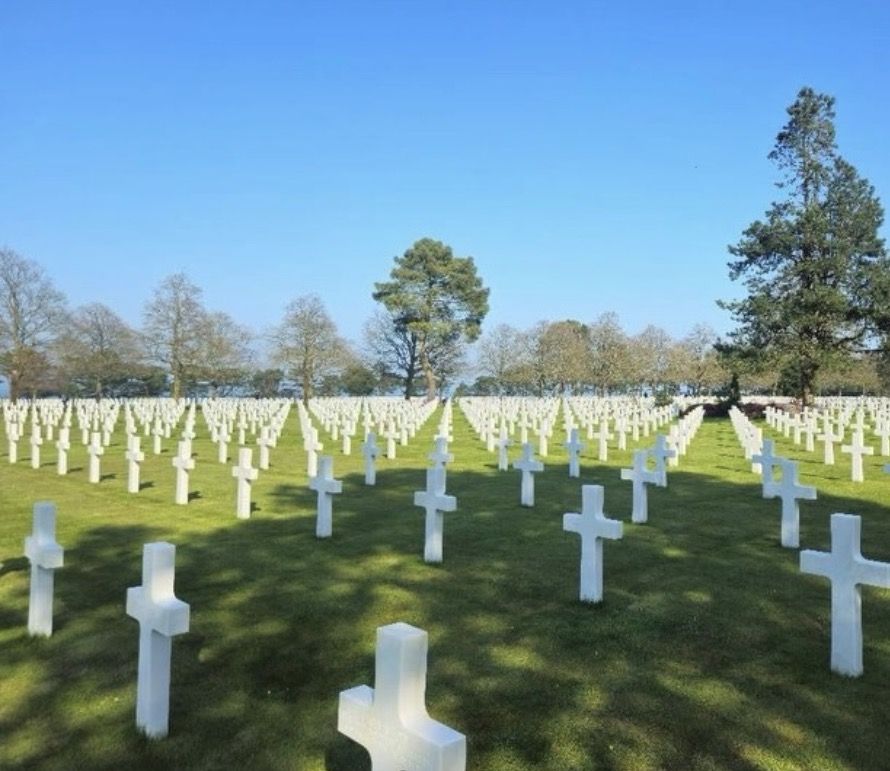
  • Visit the American Cemetery at Colleville-sur-Mer, resting place of nearly 10,000 soldiers
  • Enjoy a pre-arranged Norman-style lunch in a picturesque port town
Book Now
⭐ Top Rated Normandy D-Day Sites & Cemetery Day Trip from Paris with Lunch

Where Is Normandy Beach & What to Expect

The D-Day landing sites stretch along roughly 80 kilometres of the Normandy coastline in north-western France. Understanding the geography helps you make the most of every hour you spend here.

The five D-Day beaches — Utah, Omaha, Gold, Juno, and Sword — line the Calvados and Manche coastlines of Normandy, running from the Cotentin Peninsula in the west to the town of Ouistreham in the east. The region is anchored by the historic city of Caen and the charming medieval town of Bayeux, both excellent bases. Driving between major sites takes 20 to 40 minutes, so renting a car or joining an organised tour is strongly advisable to cover the key landmarks comfortably within a day or two.

On June 6, 1944 — known the world over as D-Day — Allied forces launched Operation Overlord, the largest seaborne invasion in history. More than 156,000 troops from the United States, United Kingdom, Canada, and other Allied nations stormed the beaches under relentless fire. The day's casualties were staggering, yet the operation succeeded and marked the decisive turning point in the liberation of Western Europe from Nazi occupation. The events of that morning reshaped the modern world, and the landscape still bears powerful physical evidence of the struggle.

Visiting this part of France is a profoundly moving experience that goes well beyond sightseeing. You can walk across the same tidal flats the soldiers crossed under fire, stand inside preserved German bunkers, and pay quiet respects at immaculately maintained war cemeteries. Museums throughout the region feature personal artefacts, archival film, and first-hand accounts that bring individual stories to life. Whether you're a history enthusiast, a family tracing an ancestor's service, or simply a curious traveller, the emotional depth of this destination leaves a lasting impression.
🌊
Coastline Covered ~80 km of beaches
✈️
Nearest Major Airport Caen-Carpiquet (CFR)
🚆
Train from Paris ~2 hrs to Caen
🪖
Allied Troops on D-Day 156,000+
🪦
Graves at US Cemetery 9,388
🏛️
Key Museums & Memorials 15+ sites
🎯
5
Distinct Landing Beaches

Utah, Omaha, Gold, Juno, and Sword each have a unique character, memorial, and story to tell. Exploring all five gives a complete picture of the operation's massive scale and the different national forces involved.

🪖
156,000+
Troops Landed on D-Day

Operation Overlord involved American, British, Canadian, Free French, and other Allied soldiers in the largest amphibious assault ever attempted. The planning and logistics behind the invasion were unprecedented in military history.

🕊️
27
War Cemeteries in Normandy

The region is home to Allied and German war cemeteries alike, representing every nation involved in the campaign. The Normandy American Cemetery at Colleville-sur-Mer, with 9,388 marble headstones, is the most visited.

🏗️
2
Mulberry Harbours Built

The Allies constructed two prefabricated temporary harbours to offload troops and supplies after the landings. Substantial remains of Mulberry B at Arromanches are still visible from the beach today, a testament to extraordinary engineering.

🔭
6
German Guns at Longues-sur-Mer

The Longues-sur-Mer battery is one of the best-preserved German coastal artillery installations in Normandy. Its four original gun casemates and command post remain largely intact and are free to explore.

📅
1944
Year That Changed Everything

June 6, 1944 marked the beginning of the end of Nazi occupation in Western Europe. The success of the D-Day landings opened a second front that led directly to Germany's defeat less than a year later.

🚌

Guided D-Day Tours from Paris

Joining one of the normandy d-day tours from paris is the most convenient option for visitors based in the capital. Minibus and coach tours depart early in the morning and return by evening, covering Omaha Beach, the American Cemetery, and Pointe du Hoc in a single action-packed day.

🏛️

Museum Hopping Along the Coast

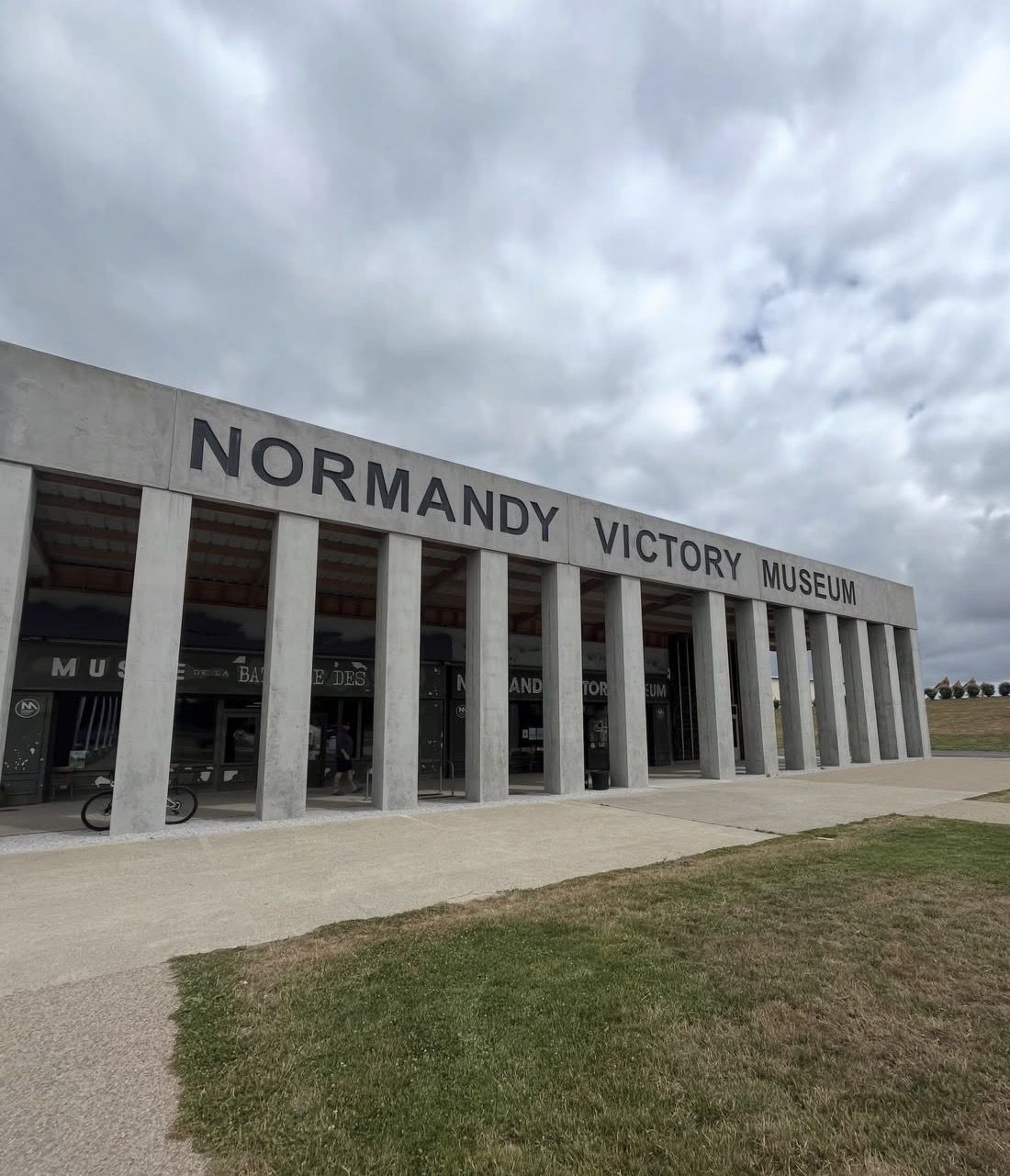
The Caen Memorial Museum offers a sweeping overview of World War II, while the Utah Beach Landing Museum and the Airborne Museum in Sainte-Mère-Église dive deep into specific aspects of the campaign. Allocate at least half a day to explore two or three museums properly.

🚶

Walking the Landing Beaches

Simply walking onto Omaha or Utah Beach at low tide and looking back at the bluffs above is an unforgettable experience that no museum exhibit can fully replicate. Early morning visits, before tour groups arrive, offer a particularly solemn atmosphere.

🔍

Exploring Preserved Bunkers & Craters

Pointe du Hoc, where US Rangers scaled sheer cliffs under enemy fire, retains its dramatic landscape of bomb craters and concrete fortifications. You can walk freely through the German command post and peer through original gun apertures facing the sea.

🍷

Sampling Norman Cuisine & Cider

Normandy is as celebrated for its food and drink as for its history. Between memorial sites, take time to sample local Camembert, buttery Teurgoule rice pudding, freshly caught seafood, and the region's acclaimed apple cider and Calvados brandy.

🎖️

Paying Respects at War Cemeteries

Beyond the American Cemetery, visitors can pay their respects at the beautifully kept British cemetery at Bayeux, the Canadian cemetery at Bény-sur-Mer, and the sobering German cemetery at La Cambe. Each offers a different and deeply human perspective on the same conflict.

How Normandy Beach Compares to Similar Destinations

Choosing a historic or wartime travel destination? Here's how this iconic stretch of coastline stacks up against other significant sites.

Travellers drawn to wartime history and memorial tourism often weigh several iconic destinations before committing to a trip. Normandy Beach sits at the top of many bucket lists, but sites such as Verdun, Gallipoli, and the beaches of the Pacific all compete for the same audience. This comparison table is designed to help you understand the relative crowd levels, costs, and unique character of each destination — so you can choose the experience that best fits your interests, budget, and available time.

CrowdsPriceBest ForWhat Sets It Apart
★ Normandy BeachModerate–High (peak summer)€€–€€€ with guided tourWWII history, emotional pilgrimage, family heritage tripsScale of five beaches, 15+ museums, immersive guided tours from Paris & Bayeux
Verdun, FranceLow–Moderate€–€€WWI history, battlefield landscapesHaunting ossuary, preserved trenches, and forests still scarred by shells
Gallipoli, TurkeyLow (except Anzac Day)€–€€ANZACs, British & Turkish heritage, scenic peninsulaStunning Aegean scenery combined with deeply moving Allied and Ottoman cemeteries
Pearl Harbor, HawaiiHigh year-round€€–€€€Pacific WWII history, USS Arizona MemorialIconic harbour setting, powerful USS Missouri battleship, accessible from Honolulu

While Verdun, Gallipoli, and Pearl Harbor each offer a profound wartime experience, Normandy Beach is unmatched in scope. The sheer variety of sites — five distinct landing beaches, dozens of memorials, world-class museums, and excellently organised guided tours — makes it the most comprehensive WWII destination on earth. For anyone serious about understanding the pivotal events of the 20th century, it remains the definitive pilgrimage.

Normandy Beach Everything You Need to Know

Everything you need to know before you go — transport, timing, packing, and local insider advice.

How to Get to the D-Day Landing Beaches

The most popular gateway to the D-Day sites is Paris. A direct TGV or Intercités train from Paris Saint-Lazare reaches Caen in approximately two hours, and Bayeux is a further 20 minutes by regional train. Caen-Carpiquet Airport offers limited domestic and European connections. Driving from Paris takes around 2.5 to 3 hours via the A13 motorway, which is a practical option if you plan to explore multiple beaches at your own pace over several days.

Once in Normandy, a hire car gives you the greatest flexibility to move between beaches, cemeteries, and museums on your own schedule. If you prefer not to drive, normandy beach tours from bayeux and Caen pick up passengers directly in town and handle all transport. Several operators also run the best d-day tours normandy has to offer as small-group minibus excursions, keeping group sizes intimate and allowing stops at lesser-visited sites off the typical coach-tour circuit.

  • 🚆 Train from Paris Saint-Lazare to Caen takes approx. 2 hours; Bayeux is 20 mins further
  • 🚗 Drive from Paris via A13 motorway: approx. 2.5–3 hours depending on traffic
  • ✈️ Fly into Caen-Carpiquet (CFR) or Cherbourg for domestic/European connections
  • 🚌 Guided minibus tours from Paris depart early morning and return in the evening
  • 🚌 Local bus (Bus Verts Line 70) connects Bayeux to several beach and memorial sites
  • 🚲 Cycling routes link many sites — hire bikes in Bayeux or Arromanches for a scenic approach
  • 🚕 Taxis and private transfers from Caen or Bayeux are available for flexible small groups
A TGV train arriving at Caen station with signage pointing toward the Normandy D-Day beaches

The Best Time of Year to Visit Normandy

Late spring and early summer — May through June — is widely considered the ideal period. The landscape is lush and green, temperatures are comfortable, and June 6th brings commemorative ceremonies that are deeply moving to witness. July and August are the busiest months, with larger crowds at major sites but warm, reliable weather. September is excellent: crowds thin noticeably, prices dip, and the coastal light is beautiful. Winter visits (November–February) are quiet and atmospheric but expect cold, wet conditions.

Normandy has a temperate oceanic climate heavily influenced by the English Channel. Summers are mild rather than hot, with average highs of 20–23°C in July and August, but sea breezes can make the coast feel cooler. Rain is possible year-round — the region averages around 700mm annually spread across all months. Spring can bring sudden showers, while autumn afternoons are often crisp and clear. Always carry a light waterproof regardless of the season; the weather changes quickly near the coast.

  • ☀️ May–June: Best overall — green countryside, mild weather, D-Day anniversary ceremonies on June 6
  • 🌊 July–August: Peak season with warmest weather; book tours and accommodation well in advance
  • 🍂 September–October: Quieter, cheaper, and still pleasantly warm — a hidden gem window
  • ❄️ November–February: Very few tourists; cold and wet but deeply atmospheric for solo visitors
  • 🌧️ Rain is possible any month — a waterproof layer is essential year-round on the coast
  • 🌡️ Average summer highs: 20–23°C; average winter lows: 3–6°C
  • 📅 Book D-Day anniversary visits (June 6) months in advance — ceremonies attract large crowds
Golden afternoon light over Omaha Beach in early June with green clifftops and a calm sea

What to Pack for Your Normandy Visit

Dressing for unpredictable coastal weather is the number one priority. Even in summer, the Channel breeze can turn a warm afternoon into a chilly one in minutes, so layering is essential. Comfortable, waterproof footwear is equally important: you'll be walking across sandy beaches, through muddy pathways between bunkers, and along uneven clifftop tracks. Pack comfortable trousers or hiking pants rather than shorts if you're visiting in spring or autumn, and always bring sun protection for clear summer days.

A good pair of walking shoes or light hiking boots is arguably the single most important item in your bag. Beyond footwear, a compact daypack helps you carry water, snacks, and a camera without fatigue. Binoculars are surprisingly useful for scanning the coastline and identifying offshore landmarks. If you plan to attend a cemetery ceremony or memorial service, bring a respectful outfit — business casual is appropriate. A portable power bank ensures your phone stays charged for maps, photography, and audio guides.

  • 🧥 Waterproof, packable rain jacket — non-negotiable regardless of the season
  • 👟 Sturdy waterproof walking shoes or light hiking boots for beaches and clifftop paths
  • 🎒 Compact daypack for water, snacks, camera, and layers
  • 🔭 Binoculars for scanning the coastline and viewing offshore landing craft remains
  • 🧴 Sun cream, lip balm, and sunglasses for clear summer days on the open beach
  • 🔋 Portable power bank to keep your phone charged for maps, audio guides, and photos
  • 📖 A D-Day history book or downloaded offline content to enrich your understanding on the road
  • 👔 Smart-casual outfit if you plan to attend a ceremony at a war cemetery or memorial
A hiker's daypack and waterproof jacket laid out on a map of the Normandy coast near Bayeux

Local Tips for Making the Most of Your Visit

Arrive at the most popular sites — Omaha Beach and the American Cemetery — as early as possible. By mid-morning in summer, coach parties arrive in large numbers and the peaceful atmosphere is harder to find. Many of the cemeteries and memorials are free to enter, though the museums charge admission. At cemetery and memorial sites, maintain a respectful silence and follow posted guidelines about photography. Locals in the Calvados region are accustomed to international visitors and most tourism staff speak English.

Normandy is a superb culinary region, and eating well here adds enormously to the overall experience. Look for restaurants serving moules marinières, sole meunière, and local cheeses like Camembert, Livarot, and Pont-l'Évêque. Pay in cash at smaller farm shops and cider producers, as card readers are not universal. The euro is the currency; ATMs are readily available in Bayeux and Caen. Tipping is appreciated but not obligatory — rounding up the bill is a common and welcome gesture.

  • ⏰ Arrive at Omaha Beach and the American Cemetery before 9am to enjoy peaceful, uncrowded conditions
  • 🆓 Many cemeteries, memorials, and Pointe du Hoc are free to enter — budget mainly for museums
  • 📷 Photography is permitted at most sites; always be discreet and respectful at cemetery headstones
  • 🧀 Try local specialities: Camembert, Calvados brandy, fresh oysters, and Norman apple cider
  • 💶 Carry some cash for farm shops, smaller cafés, and rural cider producers
  • 🗣️ Most tourism staff at major sites speak English; learning a few French phrases is warmly received
  • 🗺️ Download an offline map of the coast before you go — rural areas can have patchy mobile signal
A Norman farmhouse table set with local Camembert cheese, apple cider, and fresh bread near Bayeux

Health & Safety Essentials for Normandy Visitors

France has an excellent public healthcare system, and emergency services are reliable throughout the region. EU citizens should carry a European Health Insurance Card (EHIC); non-EU visitors should ensure they have comprehensive travel insurance that covers medical treatment. No special vaccinations are required for travel to France. The main health consideration for visitors is sun exposure on open beaches in summer — apply SPF regularly, stay hydrated, and take shade breaks during the hottest part of the afternoon.

The D-Day sites are physically safe for visitors, but some locations — particularly the clifftops at Pointe du Hoc — have uneven terrain and unfenced drop edges, so supervise children carefully and stay on marked paths. Coastal rip currents can be hazardous for swimmers; never enter the water without local advice and do not swim at beaches without a lifeguard. The French emergency number is 15 for medical emergencies, 17 for police, 18 for fire, and the pan-European emergency number 112 works on all mobile networks.

  • 🏥 EU visitors: carry your EHIC card; all others should have comprehensive travel insurance
  • 💉 No vaccinations required for travel to mainland France
  • ☀️ Apply SPF30+ sunscreen on beach days and take shade during peak afternoon heat
  • ⚠️ Stay on marked paths at Pointe du Hoc — cliff edges are unfenced and terrain is uneven
  • 🌊 Do not swim at unsupervised beaches; coastal currents can be unexpectedly strong
  • 📞 Emergency numbers: 15 (medical), 17 (police), 18 (fire), 112 (pan-European mobile)
  • 💧 Carry a reusable water bottle — staying hydrated during a long day of walking is essential
A first-aid kit and travel insurance documents laid on a map, representing health preparation for a Normandy trip

All Tours

The D-Day coastline is surrounded by charming towns, abbeys, and natural landscapes that reward an extended stay.

Normandy Beach What Visitors Are Saying

Hear from travelers who experienced the history and emotion of Normandy Beach firsthand.

★★★★★

"Taking a guided normandy d day tour was one of the most moving experiences of my life. Our guide was extraordinarily knowledgeable, weaving personal stories of the soldiers into every stop from Omaha to Pointe du Hoc. Standing at the Normandy American Cemetery, overlooking those endless rows of white crosses, left me completely speechless. I cannot recommend this experience highly enough — book a guided tour rather than going it alone."

MT
Margaret T.June 2025
★★★★★

"We booked one of the normandy beach tours from paris and it was seamlessly organised from start to finish. The minibus picked us up early from our hotel, and by mid-morning we were walking the sands of Utah Beach with a brilliant historian-guide. The Airborne Museum in Sainte-Mère-Église was an unexpected highlight that really brought the paratrooper landings to life. Twelve hours later we returned to Paris utterly exhausted but deeply grateful."

DK
David K.August 2025
★★★★☆

"We stayed in Bayeux and joined one of the normandy beach tours from bayeux, which made logistics wonderfully simple. The tour covered Arromanches, the Longues-sur-Mer gun battery, and Gold Beach in a single full day. My only minor gripe was that we felt slightly rushed at the Caen Memorial Museum, so I'd suggest allocating a second day if you can. Overall a deeply worthwhile and sobering journey through history."

SR
Sophie R.May 2025
★★★★★

"As a history teacher, I was determined to visit the D-Day sites with an expert, and the best d-day tours normandy operators absolutely delivered. Our guide connected military strategy, personal sacrifice, and geography in a way no textbook ever could. Pointe du Hoc — with its bomb craters still visible — was staggering to walk across. Every one of my students should make this pilgrimage."

JW
James W.July 2025
★★★★★

"My grandfather landed on Juno Beach in 1944, so this trip was deeply personal for me. The guides treated the whole day with tremendous respect and sensitivity, never letting the experience feel like a tourist tick-box exercise. Finding his regiment's memorial among the Canadian markers along the coast moved me to tears in the best possible way. This is sacred ground, and the best operators here understand that completely."

CM
Claire M.September 2025
★★★★☆

"We opted for the train trip to normandy d day tour combination, taking the fast train from Paris to Bayeux and meeting our guide there. It worked out cheaper than a full coach tour from Paris and gave us flexibility in the evening. The guide was excellent on the American sector beaches but slightly less detailed when we reached the British and Canadian zones. Still a four-star experience that I'd happily recommend to independent travellers on a budget."

LB
Luca B.April 2025
★★★★★

"We chose normandy d day tours from paris as a family with two teenagers, and it exceeded every expectation. The guide pitched the storytelling perfectly — historically rigorous for the adults yet genuinely gripping for the kids, who were hooked from the moment we arrived at Omaha. Seeing my son stand silently at the American Cemetery, counting the crosses, told me everything about the day's impact. This is the single best excursion we have ever taken as a family."

RH
Rachel H.June 2025
★★★★★

"After years of reading about the landings, finally standing on Normandy Beach was overwhelming in the most profound sense. We joined a small-group tour limited to eight people, which meant personalised attention and none of the chaos of large coach groups. The guide's closing remarks at the cemetery — reading the age of the fallen — reduced our entire group to silence. If you are even slightly curious about this chapter of history, come here and let it change you."

AV
Andreas V.October 2025

Watch: D-Day Beaches Come to Life

This documentary short captures the landscape, memorials, and emotional power of visiting the landing sites in northern France.

Video thumbnail showing aerial footage of the Normandy coastline with the American Cemetery visible on the clifftop at Omaha Beach

Find the Normandy D-Day Beaches

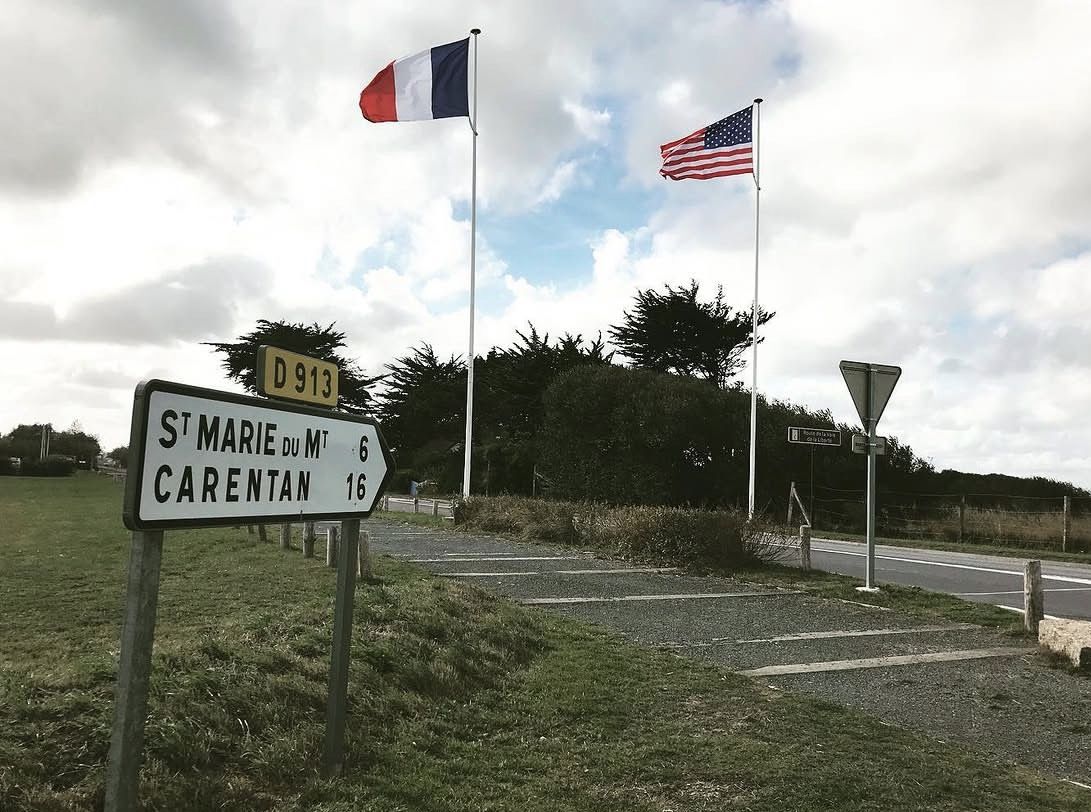
The five D-Day landing beaches stretch along the Calvados and Manche coastlines between Sainte-Marie-du-Mont and Ouistreham, Normandy, France.

Normandy Beach Frequently Asked Questions

Everything you need to plan your visit to the D-Day landing sites, from logistics to what to expect on the ground.

The most popular options are guided normandy d day tours from paris, which pick you up directly from your hotel and return you the same evening. Alternatively, you can take the high-speed TGV train from Paris Saint-Lazare to Bayeux (approximately two hours) and join a local tour from there. Driving from Paris takes roughly three hours via the A13 motorway and gives you maximum flexibility. Whichever method you choose, arriving early is strongly recommended to make the most of the day.
Absolutely — basing yourself in Bayeux and joining normandy beach tours from bayeux is a fantastic option, especially if you plan to spend two or more days exploring the region. Bayeux is just 30 kilometres from the main landing sites, so tours from there allow more time at each location and less time in transit. The town itself is charming and home to the famous Bayeux Tapestry, making it an ideal overnight base. Many visitors find the slower pace from Bayeux more rewarding than the rushed logistics of a single long day from Paris.
If time is limited, Omaha Beach and the Normandy American Cemetery are considered essential by most guides and visitors alike — the cemetery alone is one of the most affecting sites in Europe. Pointe du Hoc, just a short drive away, adds crucial context about the Ranger assault and its dramatic landscape of craters is unlike anything else on the coast. Arromanches and the remains of the Mulberry Harbour round out a powerful single-day itinerary. The best d-day tours normandy operators have refined these one-day routes over many years, so trusting a guided itinerary is a wise choice.
The train trip to normandy d day tour option typically involves taking the SNCF intercity or TGV train from Paris Saint-Lazare to Bayeux or Caen, then joining a pre-booked guided tour that departs from the station. This hybrid approach is popular with budget-conscious travellers who want the savings of train travel combined with expert local guidance at the sites themselves. Tickets for the train should be booked in advance, especially in summer, and the guided tour portion should be reserved separately with a Bayeux or Caen-based operator. The total round-trip from Paris, including the guided portion, typically runs 12 to 14 hours.
Most experts recommend a minimum of two full days to experience the main landing sites without feeling rushed. A first day might cover the American sector — Omaha, the cemetery, Pointe du Hoc, and Utah Beach — while a second day explores the British and Canadian sectors, including Gold, Juno, and Sword Beaches, plus Arromanches. Three days allows you to add key museums such as the Caen Memorial Museum and the Airborne Museum in Sainte-Mère-Église. If history is a deep passion, four days or more lets you explore lesser-known sites and the surrounding bocage countryside.
Late spring and early autumn — May, June (outside the anniversary crowds), and September — offer the best balance of pleasant weather, manageable visitor numbers, and full site access. The 6th of June anniversary draws large commemorative crowds each year, which can be deeply moving but also means popular spots are very busy. July and August are the busiest months overall, with higher prices and longer queues at key attractions. Winter visits are quieter and strikingly atmospheric, though some smaller museums reduce their hours.
Yes — many operators offer family-friendly normandy d day tour options with guides trained to present the history in an age-appropriate, engaging way. Interactive museums like the Utah Beach Landing Museum and the Airborne Museum tend to captivate younger visitors particularly well. It is worth discussing your children's ages with the tour operator in advance so they can tailor the storytelling accordingly. Most families report that even teenagers who were initially reluctant are deeply moved and engaged by the end of the day.
Booking in advance is strongly recommended, particularly between April and September when demand for the best d-day tours normandy operators is extremely high. Small-group tours — which offer a more intimate experience — sell out weeks or even months ahead during peak season. The Normandy American Cemetery also requires timed-entry reservations during busy periods, which can be made free of charge on the official ABMC website. Last-minute availability does occasionally exist in autumn and winter, but planning ahead guarantees your preferred dates and group size.
Comfortable, sturdy walking shoes are essential, as the sites involve significant walking on uneven terrain including sand, grass, and gravel paths. Weather in Normandy can be changeable year-round, so layering and a waterproof jacket are always advisable regardless of the season. Bringing water, snacks, and sun protection in summer is wise, as some outdoor areas offer little shade. Visitors are encouraged to dress respectfully, particularly at cemeteries and memorials, where a quiet and reflective atmosphere is observed.
Yes — the Normandy American Cemetery and Memorial is free to enter, managed by the American Battle Monuments Commission, though timed reservations are required during peak periods. The major German, British, and Canadian cemeteries throughout the region are also free and open to the public. Most outdoor battlefield sites such as Pointe du Hoc and the beaches themselves carry no admission charge. The main museums, including the Caen Memorial Museum and the individual beach landing museums, do charge entry fees, which typically range from €8 to €22 per adult.

Ready to walk in the footsteps of history?

Book Your Tour

The History Behind D-Day and the Normandy Landings

On June 6, 1944, Allied forces stormed five heavily defended beaches in a single dawn assault that would alter the course of World War II and eventually liberate Western Europe from Nazi occupation. The extraordinary courage, sacrifice, and ingenuity behind Operation Overlord continue to resonate with visitors from every corner of the world who come to pay their respects and understand one of history's most consequential days.

📅 Book Now